Food Doodle: A Quirky Font for Creative Branding
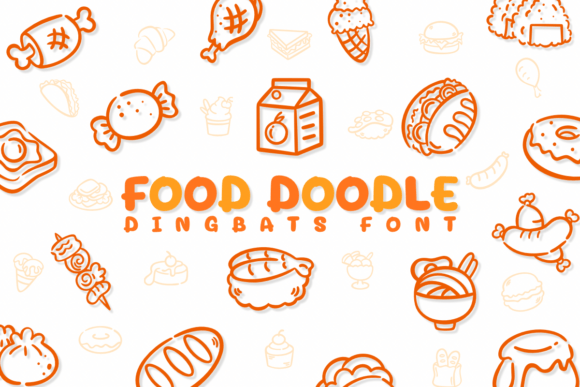
As a graphic designer, I recently embarked on a project to create a visual identity for a small, cozy café. The client wanted something that felt warm, inviting, and a little whimsical. Enter Food Doodle, a quirky dingbats font packed with hand-drawn food icons. This font is perfect for adding a deliciously fun twist to designs, from sushi rolls to sweets and snacks, making it ideal for menus, recipe books, and more.
How Food Doodle Enhances Logo Design
When I first opened the blank brand board, I knew I needed a font that would capture the café's playful yet professional vibe. Food Doodle immediately stood out. Its hand-drawn style and variety of food icons made it an excellent choice for the café's logo. I started by incorporating a few key icons—like a steaming coffee cup and a slice of cake—into the logo design. The result was a logo that not only looked unique but also clearly communicated the café's offerings.
Food Doodle in Brand Identity and Packaging Design
With the logo finalized, I moved on to the broader brand identity. Food Doodle proved to be incredibly versatile. For the café's business cards, I used the font to add a small, charming icon next to the contact information, giving the card a personal touch. In the packaging design, the font was used to label different pastries and drinks, making each item feel special and handmade.
Using Food Doodle for Social Media Graphics and Flyers
Social media is a crucial part of any café's marketing strategy, and Food Doodle was a natural fit for creating engaging graphics. I designed a series of Instagram posts featuring the café's daily specials, using the font to highlight each dish. The hand-drawn icons added a layer of authenticity and charm, making the posts stand out in a crowded feed. For flyers and posters, the font's playful nature helped to create eye-catching and memorable designs that drew customers in.
Food Doodle as a Display Font for Menus and Recipe Books
One of the standout features of Food Doodle is its suitability for menus and recipe books. The font's clear, hand-drawn icons make it easy to identify different dishes and ingredients at a glance. For the café's menu, I used the font to create section headers and to highlight key ingredients. The result was a menu that was both visually appealing and highly functional, enhancing the overall dining experience.
Font Pairing and Practical Advice for Using Food Doodle
While Food Doodle is a fantastic standalone font, it also works well when paired with other typefaces. For a more balanced look, I often pair it with a clean sans serif font for body text. This combination maintains the playful, hand-drawn feel while ensuring readability and professionalism. Before finalizing the brand system, I always recommend testing the font in various contexts, such as on a shop sign, business card, and product mockup. This helps to ensure that the font works well across all materials and maintains a consistent, cohesive look.
Checking Included Styles and Commercial Licensing
When working with Food Doodle, it's important to check the included styles, alternates, and ligatures. The font comes with a variety of hand-drawn icons, making it easy to find the perfect match for your design. Additionally, always verify the commercial licensing to ensure you have the right to use the font for your client's projects. This step is crucial, especially for commercial design assets like packaging, merchandise, and digital templates.
In conclusion, Food Doodle is a versatile and charming font that adds a delightful, hand-crafted touch to any design project. Whether you're creating a logo, designing a menu, or crafting social media graphics, this quirky dingbats font is sure to make your designs stand out and leave a lasting impression.